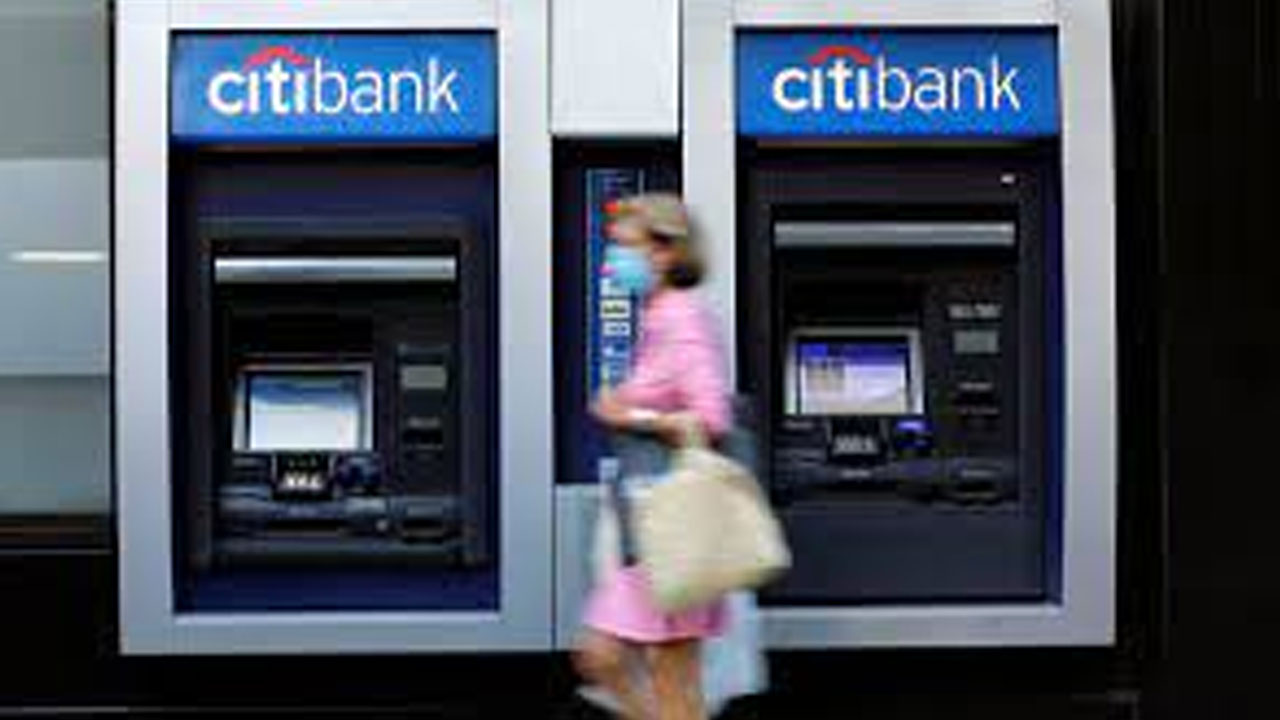

Citigroup is saying goodbye to overdraft fees, making it the biggest US bank to pledge to eliminate the controversial charges.
By this summer, Citi plans to get rid of overdraft fees, non-sufficient funds fees and overdraft protection fees, the bank exclusively told CNN on Thursday.
The changes mean Citi (C) will be the only one among the top five US retail banks by assets to abolish the fees that many Americans despise, and that consumer advocates say unfairly punish society’s most vulnerable.
Citi joins a growing list of lenders making changes or outright eliminating overdraft fees amid pressure from lawmakers in Congress and growing competition from online rivals.
Alex Horowitz, principal officer at The Pew Trusts, hailed the elimination of overdraft fees by a major bank as an “unequivocal win” for consumers.
“It’s great news because it helps consumers stay in the banking system and avoids them from being charged penalty fees at a time when they can least afford it,” Horowitz said. “And it gives them time to recover from a financial difficulty and get back on their feet. It can help keep households solvent.”
Citi said it will continue to provide overdraft protection services to help consumers cover negative balance transactions, including the ability to transfer funds from a linked Citi savings account and an automatic personal line of credit. The bank said fees for those services also will be eliminated as part of the new changes.
“We’re tremendously proud to eliminate these fees altogether,” Gonzalo Luchetti, CEO of US Personal Banking at Citi, told CNN in a statement. “These changes empower our customers to build long-term financial wellness with access to more affordable banking services.”
It’s worth noting that, at least as of recently, Citi has not relied on overdraft-related fees for revenue as much as many of its peers. That suggests the bank won’t take a sizable hit by getting rid of the fees.
Citi generated $70 million of overdraft and non-sufficient funds revenue through the first nine months of last year, according to the Consumer Financial Protection Bureau.
Regulators say rivals generated far more revenue from these fees, including Wells Fargo (WFC) ($1 billion), JPMorgan (JPM) ($924 million), Bank of America (BAC) ($823 million) and TD Bank (TD) ($347 million).
Based on its $1 trillion in US assets at the end of last year, Citi is America’s fourth-largest bank. The largest US bank is JPMorgan.
Source: news.google.com