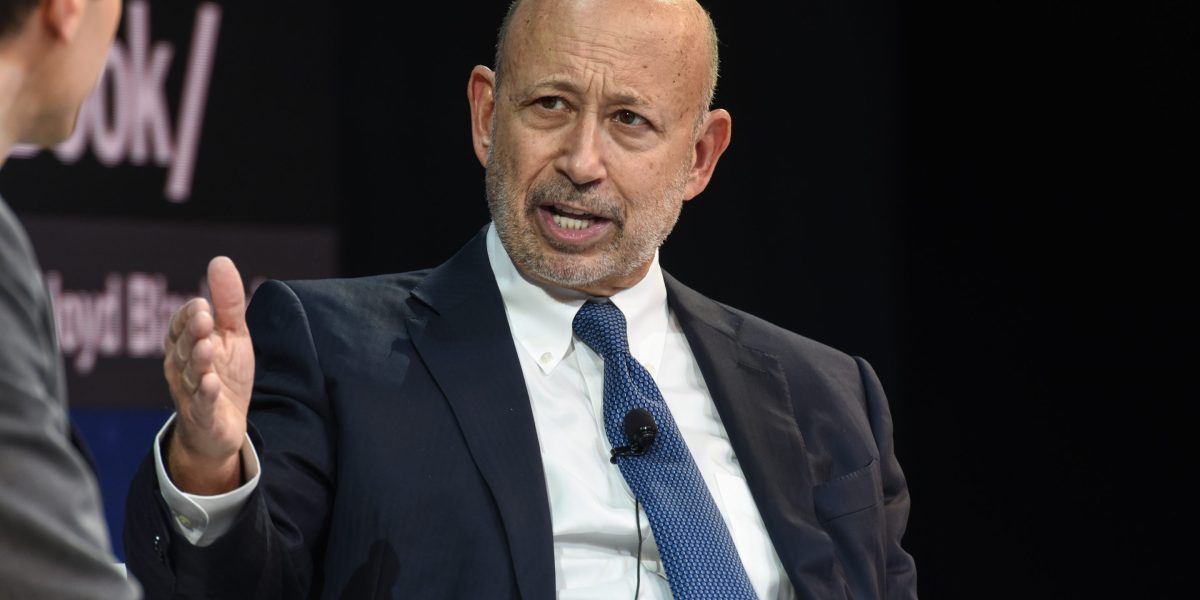
The Wall Street bank sold off some loans from a consumer-banking arm, Marcus, revealing a nearly $500 million loan loss in the business.
How much will it cost for Goldman Sachs to extricate itself from a mistake?
The Wall Street bank, long known for catering to big corporations and wealthy clients, on Tuesday revealed the latest fallout from its half-decade-long effort to expand into loans and savings products for the less well off. Goldman said it had sold off some of those down-market loans and conceded defeat on others, to the tune of nearly $500 million in losses.
Goldman has acknowledged a new setback in that arena every few months. In October, the firm cleaved its wobbling consumer offerings, including credit card partnerships and interest-earning accounts, into a separate division. Three months later, the bank disclosed more than $3 billion in losses tied to that business over the previous years.
Even for a lender as large as Goldman, the continuous bleeding is no small matter. The bank made $3.2 billion in the first quarter — beating investor expectations and mostly sidestepping the recent deposit runs that roiled regional banks — but the total would have been more without the consumer-banking travails.
And in an indication that the curtain has yet to come down on the dreary act, Goldman’s chief financial officer, Denis Coleman, told analysts that the firm still had billions of dollars of consumer loans on its books, having found buyers for just $1 billion so far.
Goldman’s stock was down nearly 2 percent at the close of trading on Tuesday.
Most banks have been hit by a slowdown in corporate deal-making, in areas like initial public offerings and mergers and acquisitions, which bring in hefty fees. Many such transactions have been on ice since last month’s collapse of Silicon Valley Bank and Signature Bank, which were taken over by regulators amid bank runs, setting off fears of wider problems in the financial system. In Europe, Swiss authorities arranged a hasty acquisition of the troubled bank Credit Suisse by its healthier rival, UBS.
Goldman was among banks to put together a rescue package for a third ailing lender, First Republic, which has so far averted collapse despite an acute drop in deposits.
“There have been some green shoots,” Goldman’s chief executive, David M. Solomon, said of the broader investing environment, but “levels are still muted.”
Many of Goldman’s larger rivals have even been helped by the tumult. Bank of America on Tuesday reported $3 billion in first-quarter profit, and said it had a net increase in customer deposits in recent weeks, though the figure was down overall in the first quarter.
“We obviously benefited,” said Bank of America’s chief financial officer, Alastair Borthwick.
JPMorgan Chase, Citigroup and Wells Fargo last week all comfortably beat expectations for profits after gaining deposits from smaller banks.
Goldman may enjoy the prestige of being perhaps the biggest name on Wall Street, but with such a fledgling consumer business, it has none of that buffer. On the plus side, as a predominantly investment bank and corporate adviser, it is also relatively shielded from the threat of broader bank runs.
The consumer banking arm, named Marcus after the bank’s founder, was started under Goldman’s previous chief executive, Lloyd C. Blankfein, and expanded under Mr. Solomon. Recently, Mr. Solomon has signaled that he would like to get out of the business, saying this year that the bank was looking to sell much of the unit and considering other options. That Goldman is still holding on to parts of the portfolio suggests the bank has not been able to get out of the consumer business quickly.
The lender is still trying to keep a toe in the space. On Monday, it announced that it would accept deposits from Apple customers, to whom Goldman already offered a credit card. The new accounts will yield customers 4.15 percent a year; Goldman executives declined Tuesday to reveal how they would invest those deposits.
Source: nytimes.com