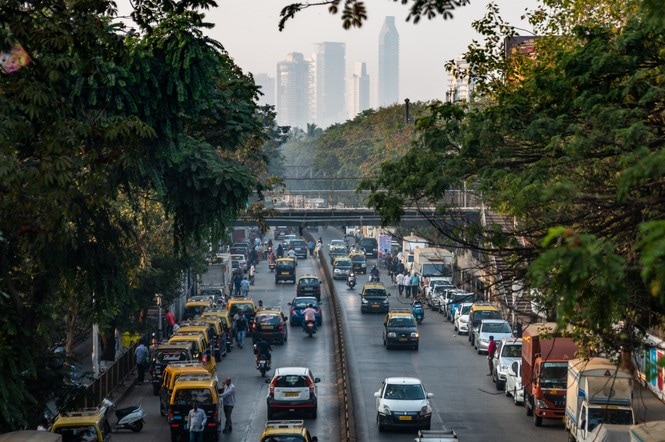

In rural India, consumption rose on the back of healthy summer crop production. For urban Indians, the RBI’s policy rate cuts resulted in a modest recovery in consumer credit growth, the government provided income tax and GST relief, and headline inflation stayed low—all aiding growth in consumption.
Our economists forecast sustained rural consumption in 2026, on a strong winter harvest and continued welfare spending by state governments, particularly those heading into elections. Recent liquidity measures that have injected 6.3 trillion rupees ($70 billion) into the banking system should further improve bank credit growth.
Overall, Goldman Sachs Research estimates that real consumption growth will rise by around 70 basis points to 7.7% year-on-year in 2026 from 7% in 2025.
How will the new US trade deal affect India?
As exports to the US dipped and gold imports surged, India’s current account deficit widened significantly to around 2.8% of GDP in the fourth quarter of 2025, up from 1.3% the previous quarter. But the current account deficit for the full year of 2025 is likely to remain contained at 0.7% of GDP, owing to high remittances receipts and services trade surplus.
Services exports remained robust last year, growing at around 11% year-on-year on continued strong growth in software and business service exports. But capital inflows were muted. Indian equity markets saw around $19 billion in portfolio outflows from foreign investors amid an earnings slowdown and heightened uncertainty around the India-US trade deal, while debt inflows were around $7.5 billion.
Source: goldmansachs.com